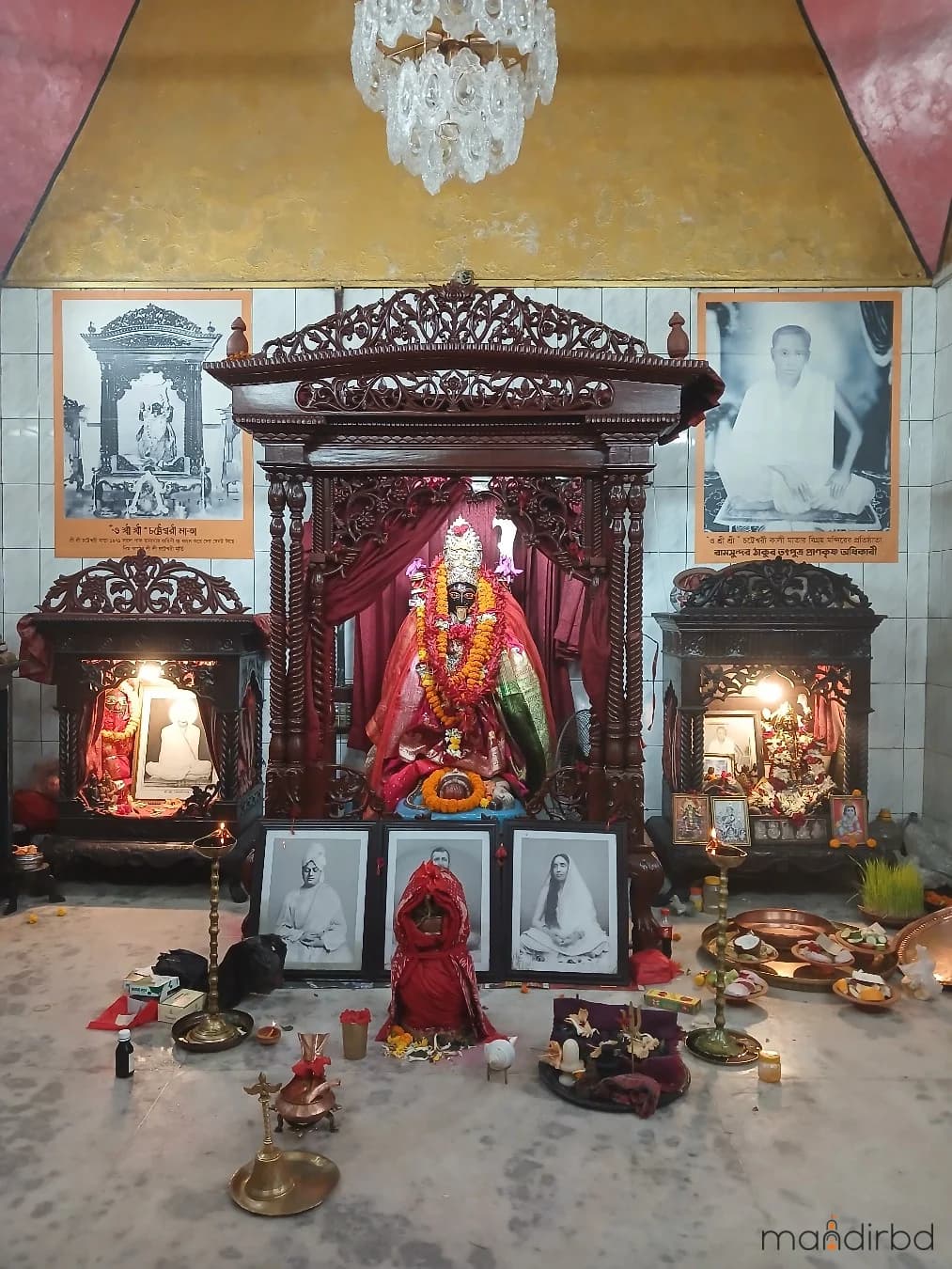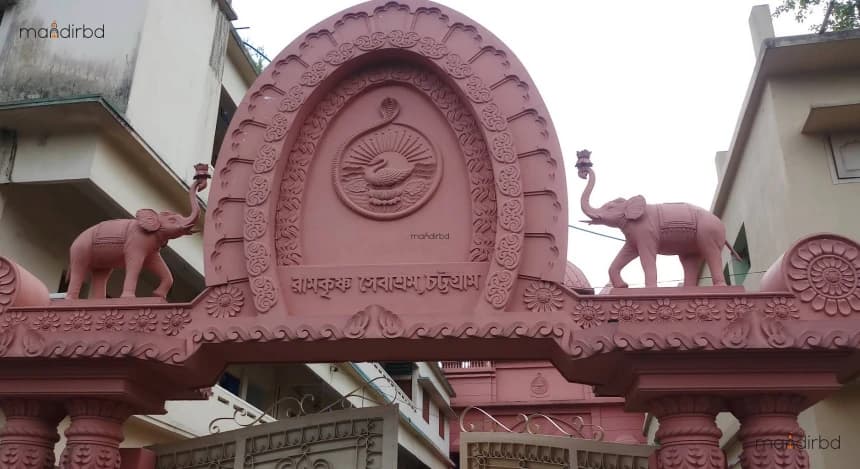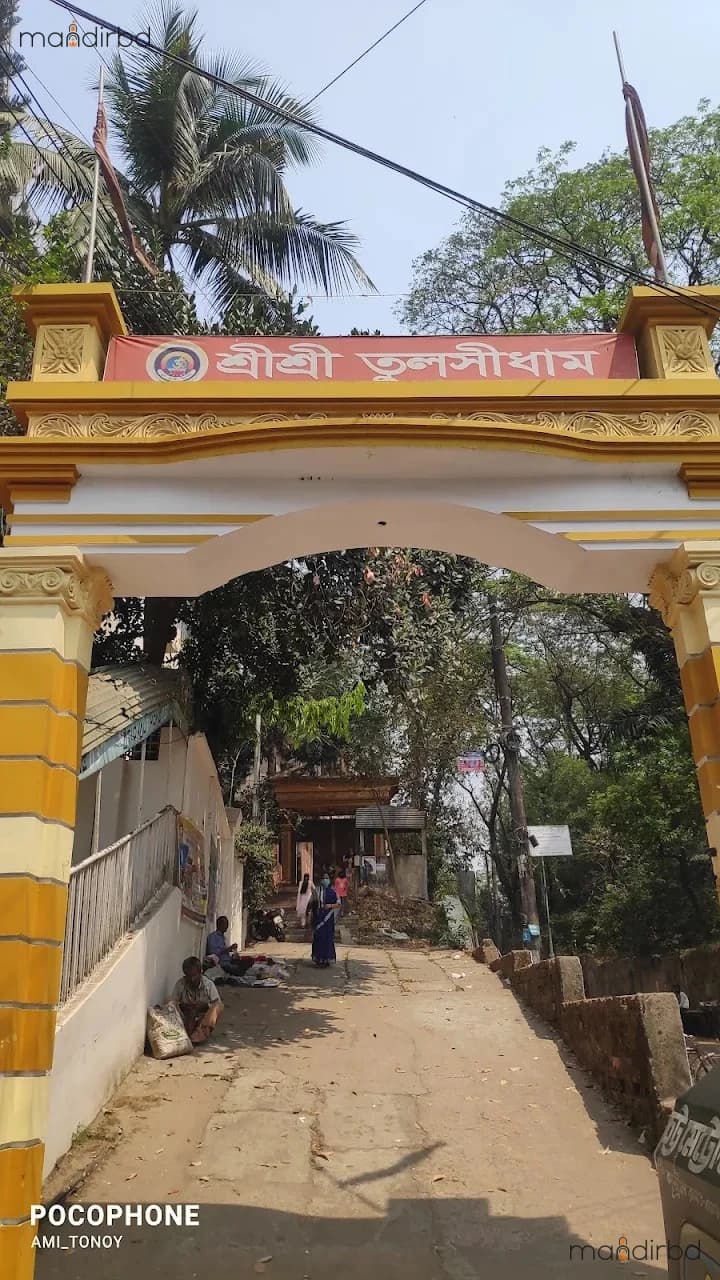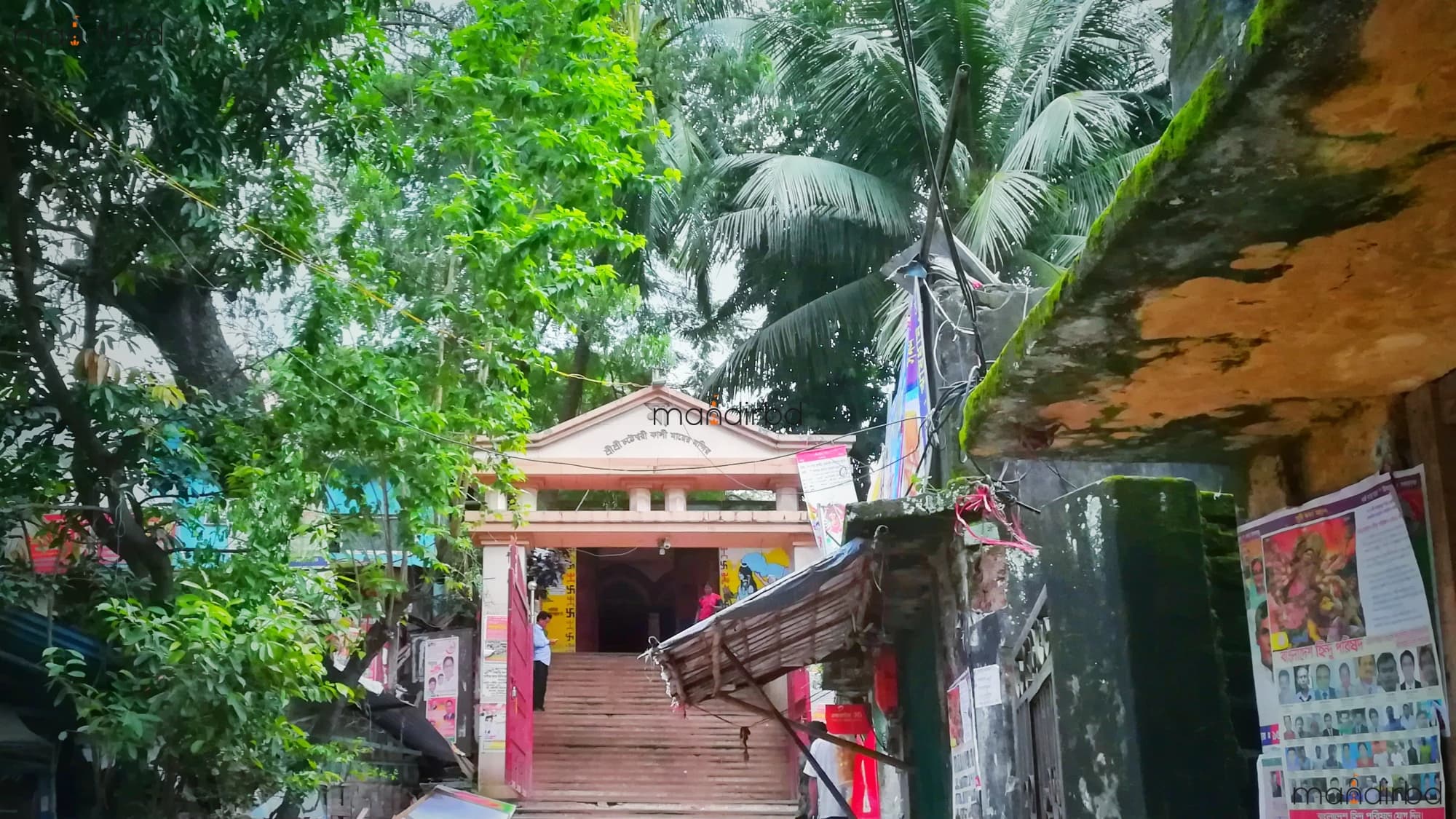
Standing proudly in the heart of Chattogram, one of Bangladesh's major port cities, is the Sri Sri Chatteshwari Kali Temple, radiating an unparalleled spiritual atmosphere. Geographically, the temple is located on Chatteshwari Road in Chattogram, at a beautiful confluence of three hills. A strangely silent harmony exists between the natural surroundings of this temple and its profound spiritual solemnity. Situated slightly above the bustling main road, entering the temple premises requires climbing a flight of stairs to reach a paved courtyard. The architectural layout of this courtyard is highly well-planned. The main Kali temple is located on the left side of the courtyard, and the Shiva temple is on the right. According to the beliefs of Sanatana Dharma, especially the Shakta sect, this temple is considered a Shakti Peetha or Sati Peetha. After the Daksha Yajna, when Lord Mahadeva began his cosmic dance of destruction (Tandava) carrying the lifeless body of Mother Sati on his shoulders, Lord Vishnu divided Sati's body into fifty-one pieces with his Sudarshana Chakra. A Shakti Peetha was established at each of the places on earth where those pieces fell. There are various differences of opinion among Hindu scholars regarding exactly which part of Goddess Sati's body fell at the Chatteshwari Temple. However, the profound faith of the devotees has turned this place into a supremely sacred pilgrimage site.
The temple's architectural style and the interior atmosphere instantly calm the minds of the visitors. Right next to the Shiva temple on the right side is a sacred Kunda (pond). According to Hindu Tantra and Puranas, Mahadeva resides in the form of Bhairava at every Shakti Peetha to guard the Goddess. Devotees believe that the Shiva temple and the sacred pond here are the symbols of that Bhairava, who protects this holy site of Sati from all evil forces. At the very back of the temple, there is a small but extremely beautiful garden. A Panchamundi Asana (a seat of five skulls) is established amidst the quiet and serene environment of that garden. Ancient Tantric ascetics and Brahmacharis used to sit on this very seat and immerse themselves in deep meditation. Even today, the place is considered a highly important center for spiritual practice and meditation. The masterful touch of traditional Hindu paintings and local art on the walls is reminiscent of the architecture of many North Indian temples. The temple doors remain open for devotees to visit from 5:00 AM to 11:00 PM every day. Every day, the Mother is worshiped here with the utmost devotion, which fills the air of this place with a divine peace.
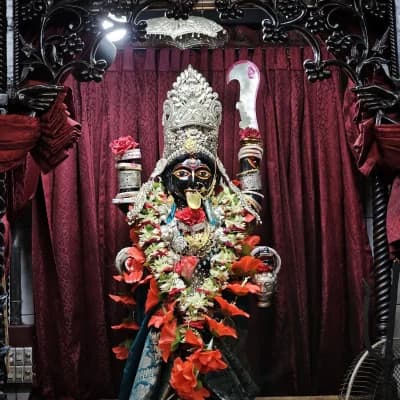
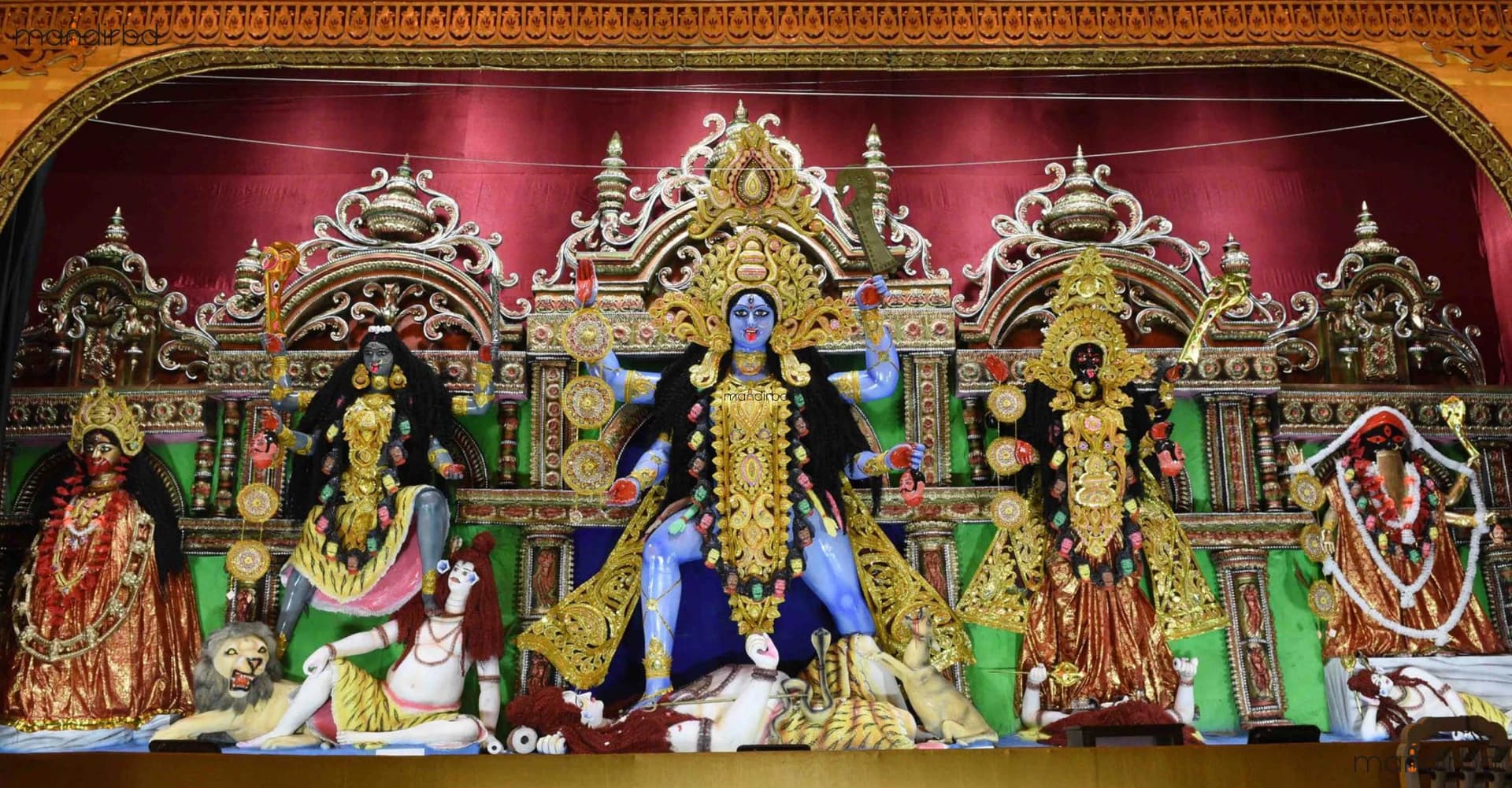
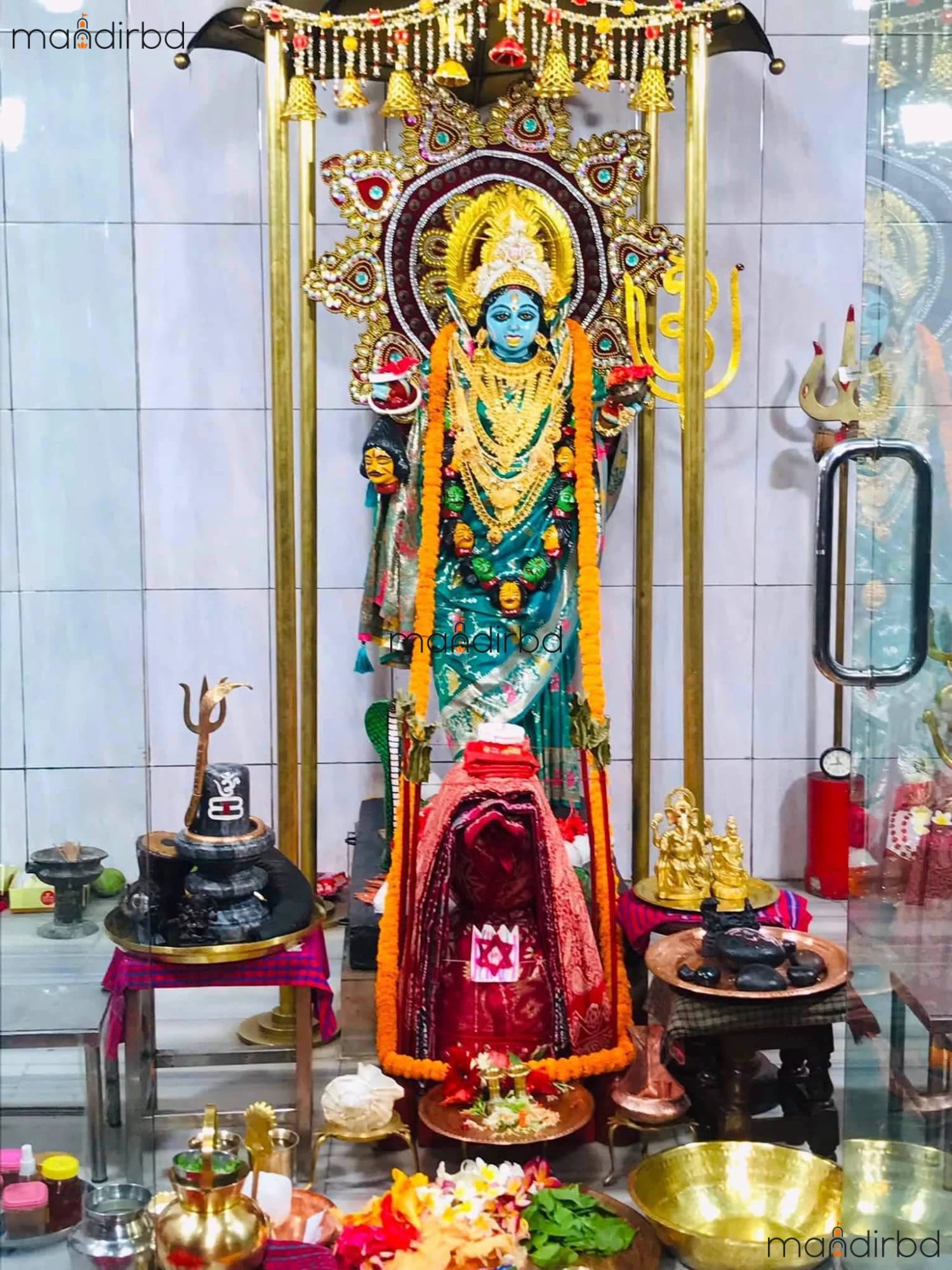
The current form of Goddess Chatteshwari, enshrined in the sanctum sanctorum (Garbhagriha), mesmerizes the visitors. Here, the Goddess is worshipped as 'Dakshina Kali', the most renowned form of Mother Kali. This idol of the Mother has been flawlessly crafted from invaluable black stone (Kashti Pathar). The Mother's complexion is dark black, her hair is flowing free, and a gentle, compassionate smile graces her face. The upper left hand of this four-armed Goddess holds a cleaver (Khadga), and the lower left hand holds a severed human head. On the other side, her upper right hand displays the Abhaya Mudra (gesture of fearlessness) and her lower right hand shows the Vara Mudra (gesture of granting boons), symbolizing liberation from all fears and the bestowing of blessings upon the devotees. Right beneath this dark form of the Mother made of black stone, Lord Mahadeva, carved from white marble, lies beneath her feet. This contrast between the black stone and the white marble has created a wonderful aesthetic and spiritual balance. Seeing the serene form of the Mother adorned with precious gems and gold ornaments, pilgrims coming from far and wide forget all their worldly sorrows and sufferings. It is the firm belief of the devotees that by visiting this temple and earnestly praying to the Mother, one can attain both worldly happiness and spiritual liberation.