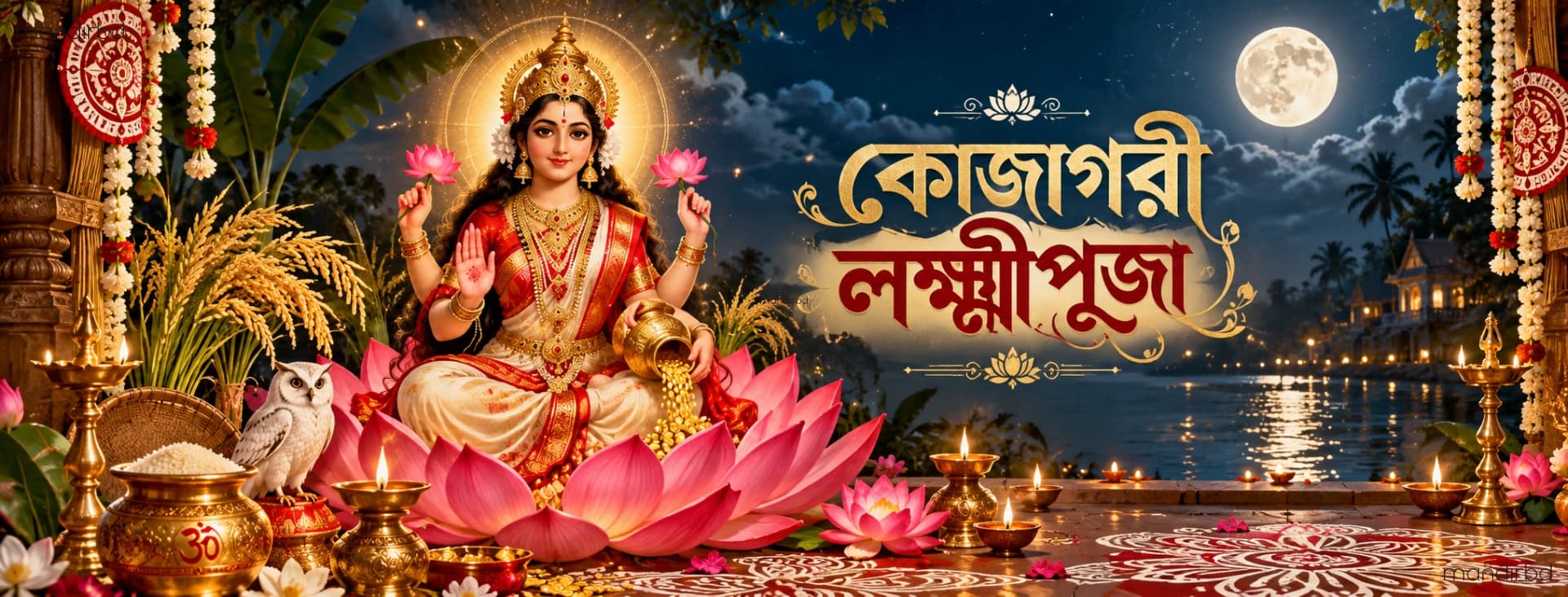
Goddess Lakshmi is one of the most widely revered deities in Hinduism, representing wealth, prosperity, auspiciousness, beauty, and spiritual abundance. As the consort and active energy (shakti) of Lord Vishnu, the preserver of the universe, Lakshmi plays a crucial role in maintaining cosmic order and earthly sustenance. In Hindu iconography, she is typically depicted as a beautiful golden-complexioned goddess, either standing or seated upon a fully blossomed pink lotus flower. This lotus symbolizes purity, spiritual self-realization, and detachment from worldly impurities, as it grows beautifully in muddy waters. Lakshmi is traditionally portrayed with four arms, which represent the four primary goals of human life according to Hindu philosophy: Dharma (righteousness and duty), Kama (desire and love), Artha (wealth and material prosperity), and Moksha (spiritual liberation). Two of her hands hold lotus buds, symbolizing beauty and fertility, while her third hand is in the Abhaya Mudra, offering protection and fearlessness to her devotees. Her fourth hand is depicted in the Varada Mudra, from which a continuous stream of gold coins flows, symbolizing both material wealth and spiritual blessings. Her vehicle, the owl (Uluka), represents the ability to see through darkness, urging devotees to look beyond material illusions and seek spiritual wisdom. Lakshmi is worshipped in various forms, most notably as Ashta Lakshmi (the eight dimensions of wealth, including food, courage, knowledge, and progeny). Her presence is believed to bring peace, harmony, and prosperity to households. In Bengal and other parts of India, she is worshipped weekly on Thursdays (Lokhi Bar) and during major annual festivals such as Kojagari Lakshmi Puja and Diwali, where devotees clean their homes and light lamps to welcome her divine grace.
At a glance
Identity
Vehicle
Uluka
Worship & rituals
Primary festival
Diwali
Puja day
Thursday
Sacred flower
Pink Lotus
Sacred color
Red and Pink
Overview
Mythology
The mythology of Goddess Lakshmi is deeply intertwined with the cosmic balance of the universe. The most famous legend associated with her emergence is the Samudra Manthan, or the Churning of the Ocean of Milk, described in the Puranas. According to the scriptures, Sage Durvasa once cursed Indra, the king of gods, for disrespecting a sacred garland. As a result of the curse, Indra lost all his strength, and the three worlds were deprived of fortune, power, and prosperity, leading to a state of spiritual and material drought. Taking advantage of this weakness, the demons (Asuras) defeated the gods (Devas) and took control of the universe. To regain their lost glory, the Devas approached Lord Vishnu, who advised them to churn the cosmic ocean to obtain Amrita (the nectar of immortality). During this monumental churning, many divine objects and beings emerged from the ocean, including Goddess Lakshmi herself. She arose from the waves seated on a fully bloomed lotus, radiating divine light and beauty. All the gods, sages, and celestial beings were captivated by her grace and offered her prayers. Lakshmi chose Lord Vishnu as her eternal consort, placing a garland of lotuses around his neck, symbolizing her preference for righteousness and cosmic order over mere power. Whenever Lord Vishnu descends to the earthly realm in various avatars to restore Dharma, Lakshmi accompanies him in corresponding forms. When Vishnu incarnated as Rama, Lakshmi became Sita; when he was Krishna, she appeared as Radha and Rukmini; and when he was Parashurama, she was Dharani. This eternal companionship highlights that power and wealth (Lakshmi) must always be guided by righteousness and preservation (Vishnu) to maintain harmony in the universe.
Mantra
Om Vishwarupasya Bharyasi Padme Padmalaye Shubhe | Sarvatah Pahi Mam Devi Mahalakshmi Namo'stu Te ||
Observances
Associated festivals
Related articles
Kojagari Lakshmi Puja 2026: date, Purnima and puja time in Bangladesh
Kojagari Lakshmi Puja 2026 is on Sunday, 7 Kartik 1433 by the panjika (25 October 2026). Purnima, the pradosh puja window and the nishita time, all in Bangladesh time, with the panjika’s printed Indian-time figures explained and why the date is 25, not 26 October.
Read article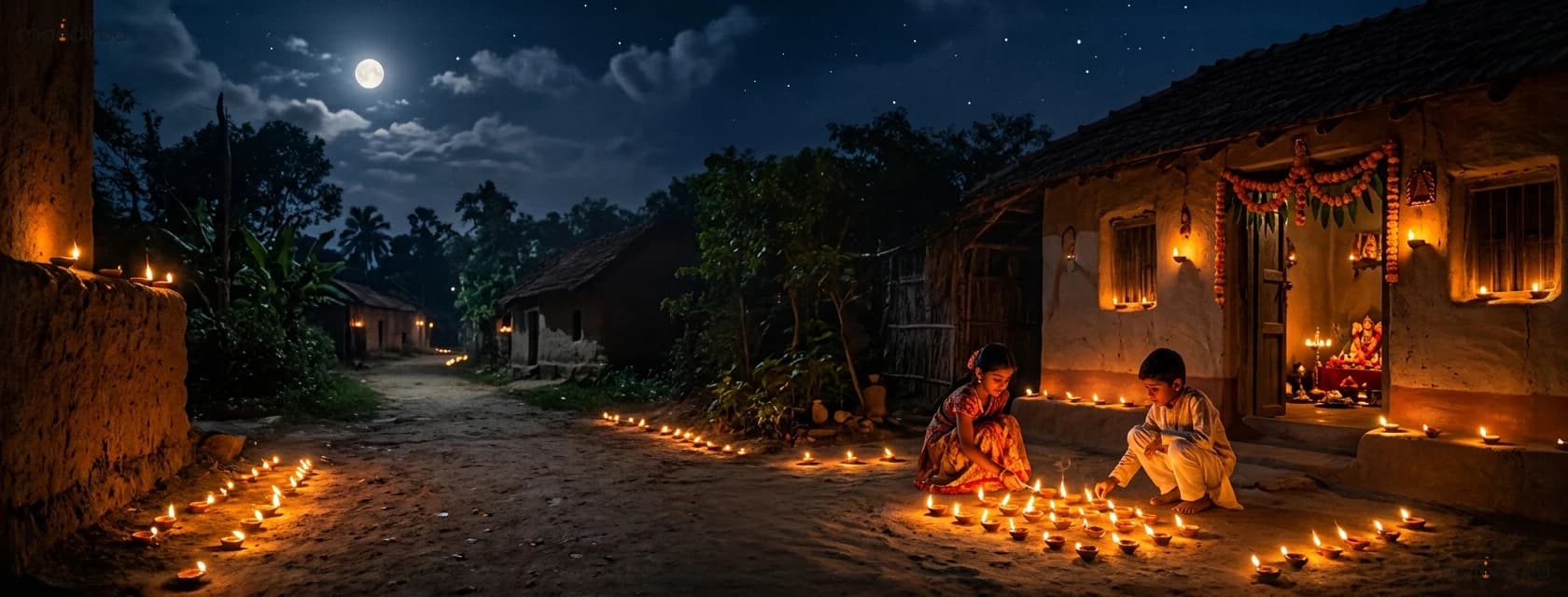
দীপান্বিতা লক্ষ্মী পূজা ও অলক্ষ্মী বিদায় ২০২৬: নিয়ম, সময় ও কারা করেন
দীপাবলির সন্ধ্যায় দীপান্বিতা লক্ষ্মী পূজা, তার আগে অলক্ষ্মী পূজা ও বিদায়। ২০২৬ সালে ২১ কার্তিক, রবিবার (৮ নভেম্বর), বিকেল ৫টা ২৩ মিনিট থেকে সন্ধ্যা ৬টা ৫৯ মিনিট। অলক্ষ্মী কে, বিদায়ের প্রচলিত নিয়ম, আর কারা এই পূজা করেন।
Read article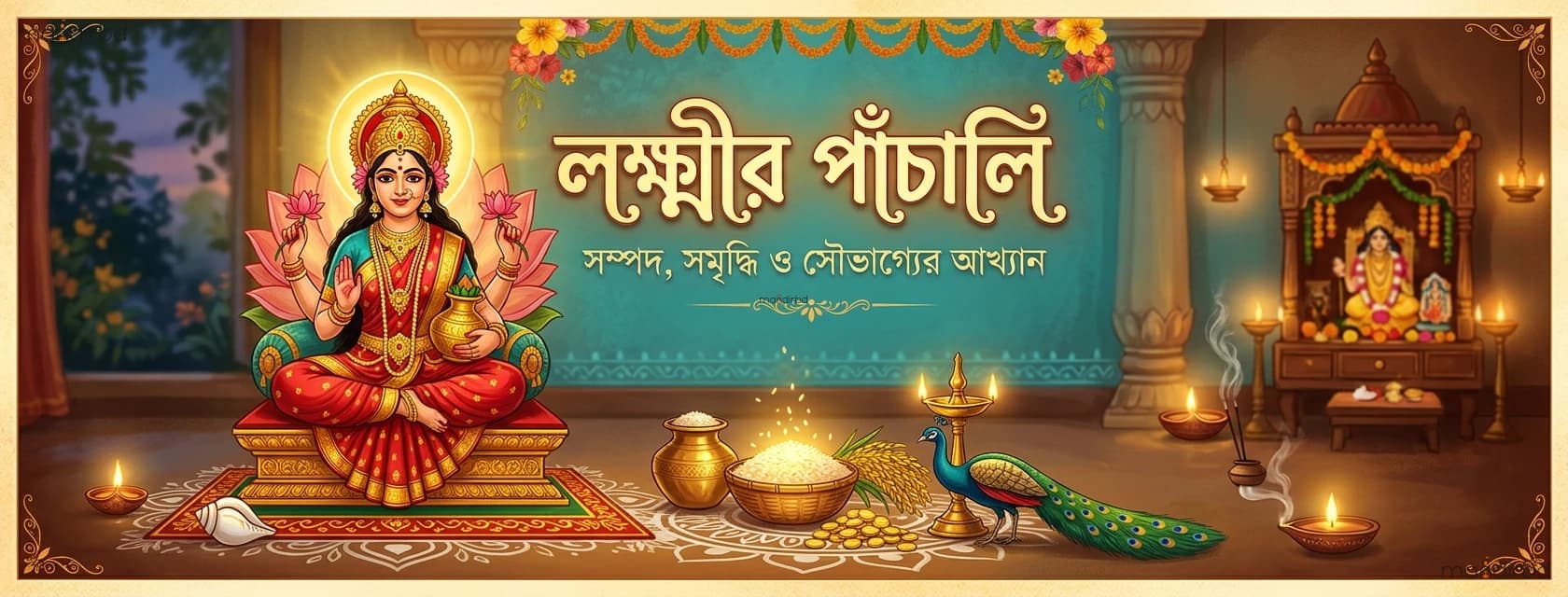
লক্ষ্মীর পাঁচালি: বৃহস্পতিবারের ব্রতকথা সম্পূর্ণ, বারমাস্যাসহ
বৃহস্পতিবার সন্ধ্যায় লক্ষ্মী পূজার পর যে পাঁচালি পড়া হয়, তার সম্পূর্ণ পাঠ: নারদের নিবেদন, অবন্তীর বৃদ্ধা আর বণিকপুত্রের কাহিনি, সঙ্গে শ্রীশ্রীলক্ষ্মীদেবীর বারমাস্যা। কখন ও কীভাবে পড়বেন, পাঁচালিতে বলা ব্রতের নিয়ম, গল্পের সংক্ষেপ আর কঠিন শব্দের মানেও আছে।
Read articleNo answers yet
Ask about this →Temple directory
Temples dedicated to Lakshmi
Filter verified MandirBD temple profiles connected with Lakshmi.